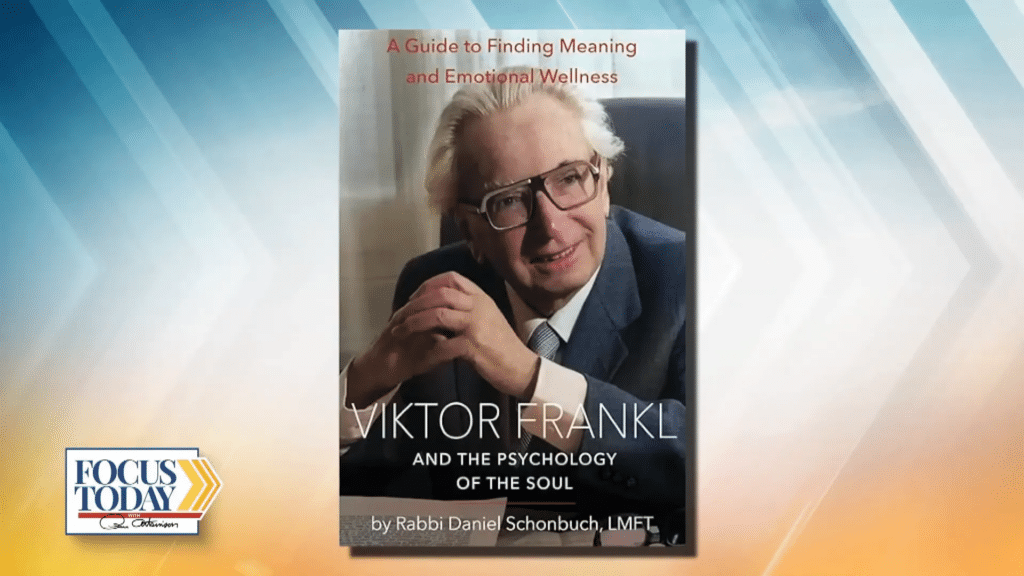
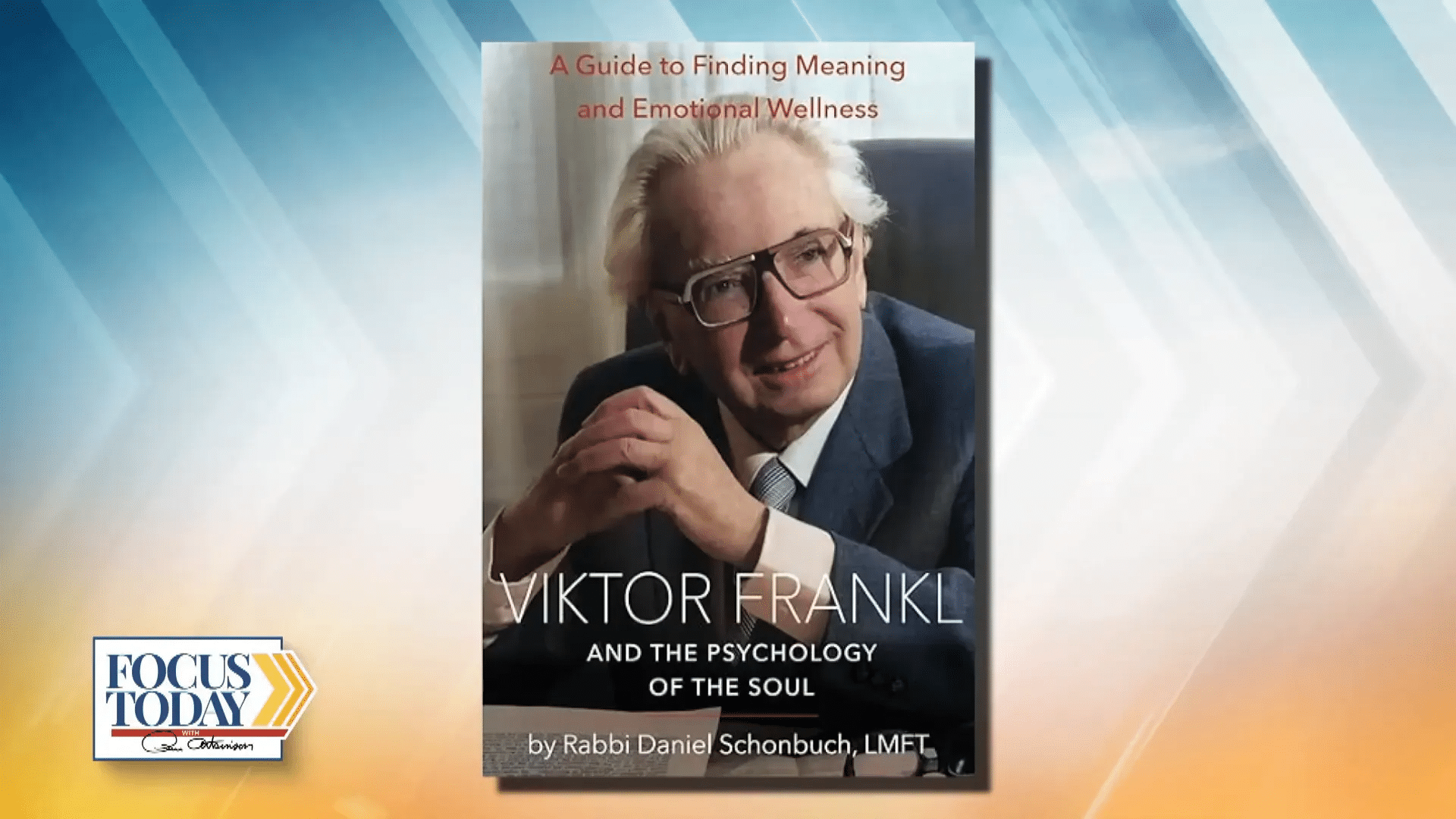
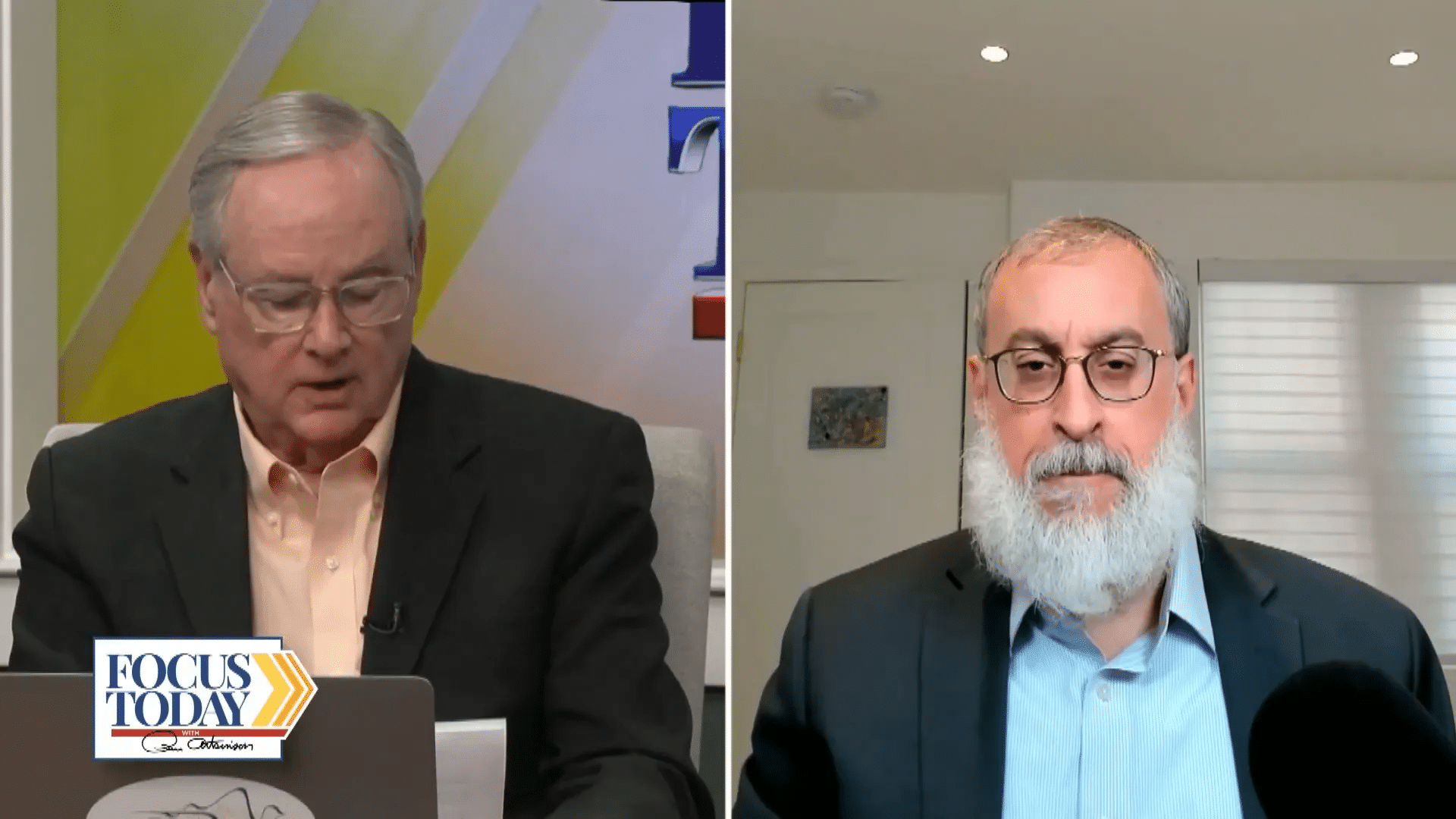
Mental health is an essential topic in today’s culture, and it often feels overwhelming to navigate. However, Rabbi Daniel Schonbuch, the executive director of the Shalom Task Force and founder of the Mental Health First Initiative, offers profound insights into how spiritual wisdom can enhance emotional wellness. In his book, Victor Frankl and the Psychology of the Soul, he explores the intersection of faith, family, and meaning in the mental health conversation.
The Importance of Meaning in Therapy
Rabbi Schonbuch emphasizes the significance of finding meaning in life, especially in the face of adversity. He draws from the teachings of Viktor Frankl, a Holocaust survivor and psychiatrist who developed Logotherapy, which focuses on the search for meaning as a way to overcome suffering. Frankl’s insights are crucial for therapists today, as they challenge the prevalent focus on self in modern psychology.
According to Rabbi Schonbuch, conventional therapy often fixates on self-reflection—discussing childhood experiences, self-esteem, and personal traumas. However, this hyper-focus can paradoxically worsen mental health issues. Instead, he advocates for a shift toward finding meaning beyond oneself, which can lead to healing.
Logotherapy: A Pathway to Healing
Logotherapy, as developed by Frankl, posits that the search for meaning is the primary motivational force in humans. Rabbi Schonbuch explains that individuals suffering from depression, anxiety, or trauma should focus on values, meaningful experiences, and helping others. This approach not only fosters emotional well-being but also encourages individuals to look outward rather than inward.
In his practice, Rabbi Schonbuch has noticed that clients who engage in activities that promote meaning—like volunteering or experiencing nature—often recover more swiftly from their struggles. This insight is central to his book, which provides readers with a practical guide to implementing Logotherapy in their lives.
Spirituality as a Core Component
Rabbi Schonbuch argues that spirituality is an integral part of healing. He illustrates this through the concept of the religio, or the spark of God within each person, which Frankl discussed in his work. This spiritual dimension is often neglected in traditional therapy models, which can limit the healing process.
By incorporating discussions about spirituality into therapy, Rabbi Schonbuch believes that therapists can help clients uncover deeper meanings in their lives. This approach aligns with the idea that humans are spiritual beings, and recognizing this aspect can significantly enhance the therapeutic experience.
The 30-Day Search for Meaning Workbook
As a complement to his teachings, Rabbi Schonbuch has developed a 30-Day Search for Meaning Workbook. This workbook guides individuals through a daily process of evaluating their values and experiences. It encourages reflection on questions such as:
- Have I fulfilled my three most important values today?
- Have I engaged in meaningful activities today?
- How can I change my attitude towards my current challenges?
By following this structured approach, individuals can work towards reducing symptoms of depression, anxiety, and PTSD. Rabbi Schonbuch asserts that this workbook is a practical tool for anyone seeking to enhance their emotional wellness.
Current Mental Health Crisis
In recent years, the United States has experienced an alarming rise in mental health issues, including depression and anxiety. Rabbi Schonbuch notes that the rates of drug overdoses and mental illness are at unprecedented levels, exacerbated by the impacts of technology and social media. He stresses the urgency of addressing these challenges through meaningful engagement and spiritual exploration.
As we navigate these turbulent times, it becomes increasingly vital to prioritize mental health and seek out resources that promote healing. Rabbi Schonbuch’s work stands as a beacon of hope, guiding individuals towards a path of recovery through the lens of spiritual wisdom.
Jewish Identity and Community Resilience
Rabbi Schonbuch also touches on the evolving Jewish identity in the wake of recent global events, particularly the significant events in Israel. He believes that there is a rebirth of Jewish identity occurring, one that is prompting a reevaluation of political affiliations and community support. This newfound unity among Jews worldwide is essential in fostering resilience and addressing rising anti-Semitism.
He emphasizes that the support of the Christian community and the Republican party could play a crucial role in strengthening Jewish communities and ensuring their survival. This shift in perspective is vital as Jews in the West confront threats that resonate deeply with historical experiences of persecution.
Conclusion: A Call to Action
In summary, Rabbi Daniel Schonbuch’s insights into the interplay of spirituality and mental health provide a refreshing perspective on emotional wellness. By focusing on meaning, values, and the spiritual aspect of therapy, individuals can navigate their struggles more effectively. The integration of Frankl’s teachings into modern therapeutic practices offers a pathway to healing that transcends traditional methods.
For those seeking to improve their emotional well-being, engaging with Rabbi Schonbuch’s book and workbook may be the first step toward a more meaningful life. As we continue to face a mental health crisis, let us remember the power of spirituality and community in fostering resilience and recovery.
Visit Torah Psychology for more resources and insights into Rabbi Schonbuch’s work.
For more Encouraging adn Informative News like this, goto www.thedove.us